How a Finance Intern Used Genspark AI to Turn Public Records Into Real Assets Opportunities

When Luca studied at Bocconi University in Milan and built experience across several finance internships, he wasn't planning to become a case study in what AI tools for investment analysis can actually do. He was trying to solve a problem many investment teams face: how do you systematically screen opportunities when the data is scattered across thousands of public records, government databases, permitting documents, and regulatory PDFs that no team can read in full?
Private Equity investment depends on knowing what's out there before your competitors do. That means reading government publications, permitting databases, planning records, regulatory filings, and market sources. Dense, jurisdictional, unglamorous work. The teams that cover more ground can screen more opportunities. Before AI, covering more ground meant hiring more people, and covering all of it was simply not humanly possible.
“Some of those tasks are just impossible because you have to read through every single database or every single article, PDFs that government or other entities publish online. So given the amount of information or data available, it's quite impossible without any assistance from AI.”
AI Tools for PE and Investment Research: One Intern, Five Hours, Thousands of Sources
Luca first heard about Genspark through the venture ecosystem and watched the product develop before committing. When Genspark launched Super Agent, he saw something that could handle real complexity: not just search, but reason, synthesize across sources, and produce structured work. What he needed was not another search tool; it was a system that could turn scattered information into usable first drafts for human review.
The workflow he built scans government databases, permitting records, public documents, and market sources, identifies opportunities matching broad investment parameters, supports deeper analysis when something appears relevant, and outputs IC-ready first drafts (investment memos, financial models, and Excel files) for human review.
Setup time: five hours. Refinement: two weeks. Scope: thousands of dense public records screened and multiple potential opportunities surfaced for early-stage review.
What Luca built and uses within Genspark:
- Automated sourcing and screening workflow: scans government databases, permitting records, public documents, and market sources for potential investment opportunities.
- Deep-dive analysis trigger: supports further research when a project or asset appears relevant.
- Investment memo generation: structured documents produced via Genspark Claw
- Financial models and Excel outputs: IC-ready first-draft spreadsheets for human review.
- Slide decks: first-draft presentation materials for review.
- Word documents: first-draft memos and briefing documents for review.
“It took maybe five hours maximum [to set up], and then another two weeks to improve the workflow.”
AI for Investment Analysis: What Changed for the Team and the Organization
The workflow helped screen thousands of public records, surface multiple potential opportunities, and support early-stage review for selected opportunities in the firm’s broader pipeline. But the number that matters most to the organization is not a deal value, it is the shift in what became possible to say yes to.
Before AI, investment leads at small and mid-size funds spent a significant amount of their time managing expectations downward. Great ideas got shelved not because they were wrong, but because the resources required to validate them were too high relative to the probability of success. The no was the responsible answer.
A first version that takes five hours does not require the same risk calculation as a project that takes five weeks. The bar for testing new workflows dropped. The range of what the team could responsibly explore expanded.
“We can screen a wider geographic area and identify more potential opportunities than we initially could.”
Markets that were previously too labor-intensive to analyze properly are now within scope. The fund's analytical capacity has expanded without a proportional increase in headcount.
Automate Investment Research with AI: What the Genspark Workflow Actually Looks Like
The core question anyone asks about AI in investment work is whether the outputs are actually usable, or whether there is a cleanup step that swallows the efficiency gains. In Luca's case, the workflow produced IC-ready first drafts: memos, models, decks, and spreadsheet outputs that could be reviewed and refined by the team. Genspark handles the analysis and synthesis and triggers document and spreadsheet capabilities so the output is formatted in the way investment teams actually consume it.
For young professionals, the implication is significant: exploring the right tools can unlock business impact in a completely new way. When someone thinks in systems and understands the output they need, they can deliver work that would previously have required far more time, resources, or seniority. It is a matter of setting the system up, testing it, and refining it until the output is useful.
For organizations, the implication is equally significant: the cost of exploration just dropped by an order of magnitude. Projects that would have required a formal resource allocation and multiple weeks of development can now start with a prototype.
Genspark Power User in Milan: From Five Hours to a Movement
Luca has since then joined Genspark as one of its first ambassadors. He's already organized a meetup for fellow AI enthusiasts in Finance to discuss the present of AI adoptiona and share learnings.
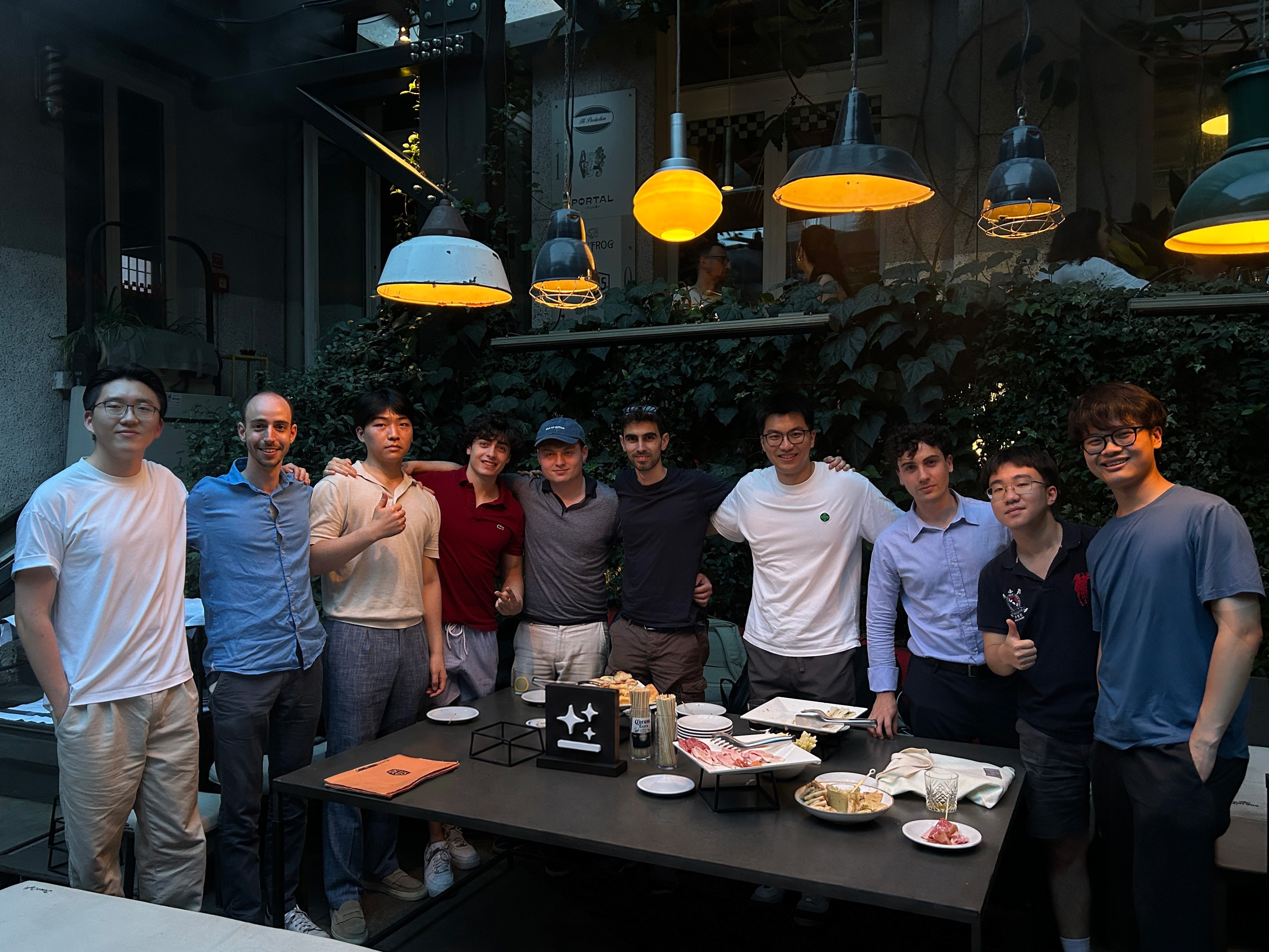
“I'm a huge fan of Genspark. I believe in the product. And it also excites me to invite other people to work on Genspark and adapt or move their workflow to Genspark.”
He remains curious:
“I'm excited to see other people's work and how they are using Genspark to automate their job or do other stuff that couldn't be done without AI.”
FAQ: Genspark AI for Finance and Investment Analysis
How to use Genspark for Private Equity investment analysis?
Build an automated workflow that scans public records, government databases, permitting documents, regulatory filings, and market sources to identify potential investment opportunities. It can generate IC-ready first drafts, including investment memos, financial models, and Excel outputs, for human review.
How long does it take to build an AI workflow in Genspark?
An initial setup can take up to five hours. Refinement can take up to two weeks in real-world conditions. The base system is functional and producing usable outputs from day one.
Can Genspark be used for Private Equity investment work?
Yes. Luca’s workflow at a Private Equity fund helped screen thousands of public records, surface potential investment opportunities, and generate IC-ready first drafts, including investment memos, financial models, and Excel outputs for human review. It was built by an intern with no prior AI development experience.
Is Genspark suitable for students and early-career finance professionals?
Yes, it is. Genspark's interface allows professionals of any age and experience to move from concept to working system in a matter of hours, without any coding background required.
🚀 What Impossible Task Could You Tackle with AI Today?
There was a time when filtering out what really mattered from dense amount of data was impossible. That's changing. We invite you to push your own understanding of what can't be done. Maybe you'll discover that it's actually doable, and in only a few hours.
Step 1: Go to genspark.ai and create a free account
Step 2: Describe the process you've been putting off: the dataset nobody reads, the workflow nobody has time to build.
Step 3: Build your first version. Luca started in five hours. You can too.